
Egyptian novelist Salwa Bakr triumphs as first winner of the BRICS Literature Award
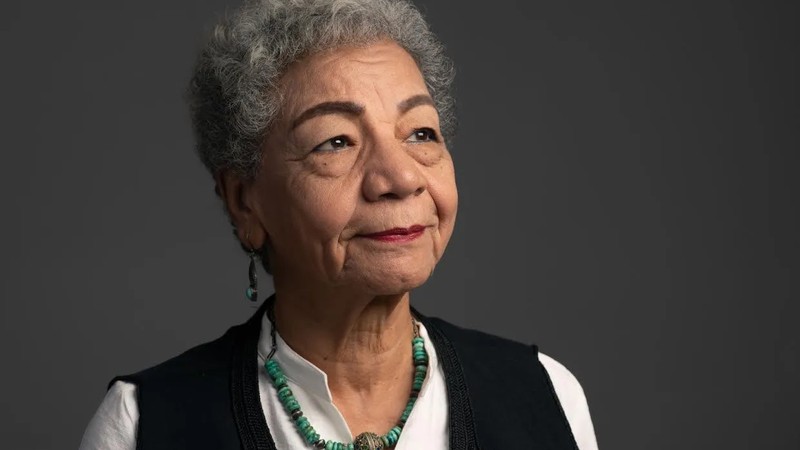

In a landmark moment for global literature, Egyptian writer Salwa Bakr has been awarded the inaugural BRICS Literature Award at the Khabarovsk City Palace of Culture, during the BRICS Countries Arts Festival. Bakr, a prominent figure in contemporary Arabic prose, is celebrated for her diverse body of work, which includes seven short-story collections, seven novels, and a play, with translations into multiple European languages.
The award ceremony, which became the focal point of the arts festival held from 26 to 30 November, witnessed the coming together of an array of esteemed attendees from BRICS countries and beyond—diplomats, writers, and cultural figures gathered to celebrate a significant cultural achievement. The winner of the BRICS Literature Award, alongside a cash prize of 1 million rubles, will receive an official presentation at a later date yet to be announced.
During the ceremony, Sergey Stepashin, President of the Russian Book Union and member of the Award Board of Directors, reflected on the profound significance of the award. “Today we are witnessing a truly historic moment. This award is a powerful signal to the world that the literature of the BRICS countries is an integral and vibrant part of global culture,” he stated, expressing hope that this recognition will pave the way for future laureates.
Bakr’s victory was celebrated by her compatriot, writer and member of the Egyptian Parliament, Doha Mustafa Assi, who joined the ceremony virtually. “Salwa Bakr is a truly special, unconventional Egyptian writer with a distinctive voice,” Assi remarked, highlighting the recognition of female writers and the importance of this award for Egypt.
The significance of the chosen venue, Khabarovsk, was underscored by Kumar Karan, Vice-Consul of the Consulate General of India in Vladivostok, who noted the region’s historical role as a cultural bridge and its emergence as a humanitarian cooperation hub among BRICS countries. “The BRICS Award strengthens intercultural dialogue and serves as a foundation for political, economic, and human ties,” he remarked.
In an exciting addition to the event, Indonesian writer Denny JA received the Special Prize “For Innovation in Literature” for his groundbreaking contributions to the poetic essay genre. Sastri Bakry, National Coordinator of the BRICS Literature Network in Indonesia, expressed pride in the recognition of both Bakr and Denny, emphasising their roles in championing voices often sidelined in literature.
The BRICS Literature Award is positioned as a fresh alternative to more established accolades such as the Nobel Prize, addressing discussions around politicisation in international literary awards. Dmitry Kuznetsov, a member of the State Duma, advocated for a new prize promoting values of mutual respect and humanism, embodying the creative aspirations of the global majority.
Vadim Teryokhin, Co-Chair of the Writers’ Association of the BRICS Literature Network, reflected on the first season’s outcomes, announcing a collective vision to welcome more writers who align with the award’s aesthetic and communal values. With aspirations for future editions of the award, the groundwork has been laid for a long and impactful legacy in the literary world.
IOL