
G20 Summit insights: Ramaphosa's balancing act amid US criticism
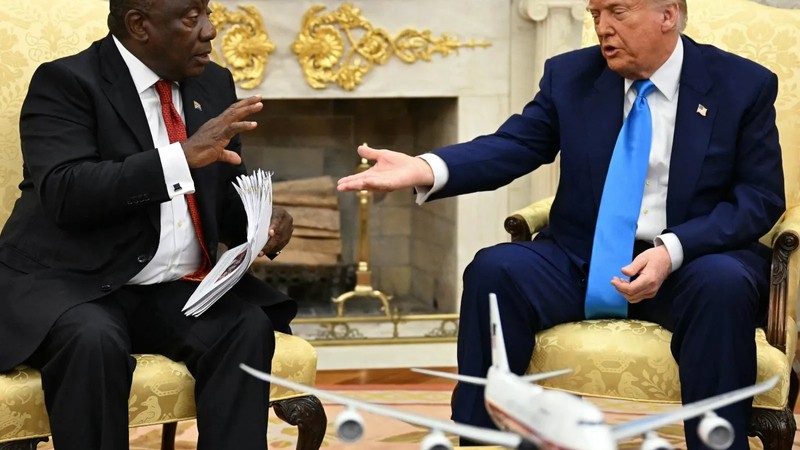


Despite the US’s bullying stance, South Africa could not afford to be confrontational and retaliate the same way.
Reflecting on the recent G20 Summit in his address on Sunday evening, President Cyril Ramaphosa hailed South Africa’s hosting of the event as a historic and great success.
Although the president avoided a direct attack on the US’s boycott of the event, he expressed his disappointment that the event continued without the US’s presence.
He said it was regrettable that the United States of America, which is a founding member of the G20 and which takes over the presidency of the G20 from South Africa next year, chose not to participate in the G20 Leaders’ Summit and the final meetings leading up to it.
Weighing in on the president’s diplomatic response to the US, political analyst Professor Ntsikelelo Breakfast said South Africa’s diplomatic approach is understandable given that the US is currently the world’s economic superpower.
He said it is not going to be helpful to be confrontational when dealing with a superpower country like the US.
Breakfast’s comments came after the uMkhonto weSizwe Party’s (MKP) criticism of Ramaphosa’s soft approach to the Donald Trump administration.
The MKP said Ramaphosa could have taken a firmer stance on the US’s bullying approach.
In a statement the party issued on Monday, it said the president avoided firm leadership and was soft on the fallout from US diplomacy.
“On the diplomatic fallout with the United States, Ramaphosa again avoided firm leadership. While he rejects the false accusations of ‘genocide’ and ‘land confiscation’, he offers only soft appeals to ‘goodwill and friendship’. He failed to confront the local right-wing networks and misinformation factories that have been allowed to define South Africa’s narrative abroad under his watch,” read the statement
However, Breakfast said: “Look, the US is our second biggest trading partner, so even if you do not agree with such a country, being confrontational is not a solution. I think Pretoria’s diplomatic response to the US’s continued attack is the best option.”
Since South Africa took Israel to the International Court for genocide in Palestine, the US has been on the warpath against South Africa.
The US cited “Afrikaners genocide” for its non-participation, which Pretoria described as baseless and blatant misinformation. Trump also announced that he would not invite South Africa when the US hosts the G20 Summit next year.
Trump again cited genocide against Afrikaners, which South Africa had proven many times to be misinformation.
Besides the US boycott, Ramaphosa said he was pleased that many US businesses participated in the Business 20 and Social Summit in South Africa.
“We were most pleased that many organisations, businesses, and individuals from the United States participated in large numbers in G20-related activities, such as the Business 20 Summit and the G20 Social Summit. South Africa valued their constructive and enthusiastic participation,” said Ramaphosa.
willem.phungula@inl.co.za