
‘Returning G20 to its core mission’: US flexes as it takes over presidency from South Africa
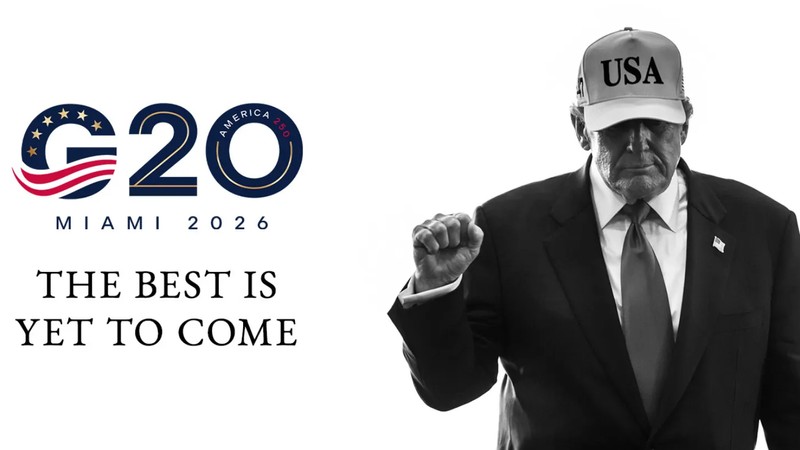
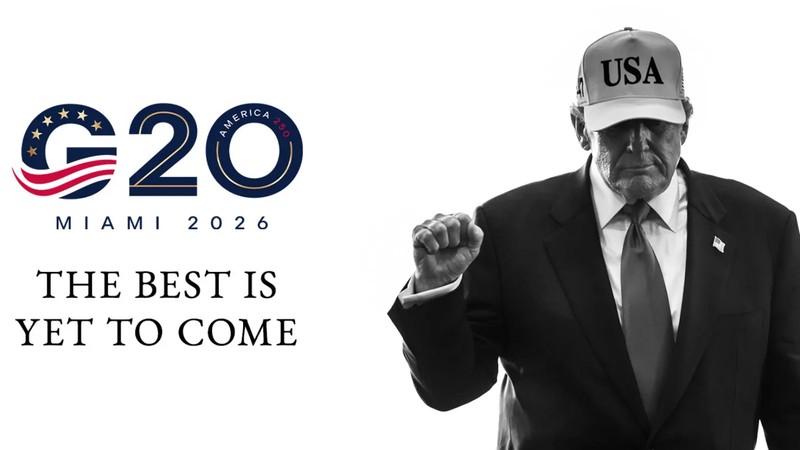
The United States has formally assumed the 2026 G20 presidency and, in a State Department statement, pledged to “return the G20 to focusing on its core mission of driving economic growth and prosperity to produce results.”
Under the US agenda, the 2026 presidency will prioritise cutting regulatory burdens, securing energy supply chains, and driving technological innovation.
The US presidency takes place amid unusually sharp diplomatic tension with South Africa — and a highly unusual transfer of the G20 presidency. The outgoing South African presidency did not hand over the G20 leadership at the 2025 summit in Johannesburg, refusing to pass the gavel to a junior US diplomat and instead arranging a low-key handover at Dirco offices in Pretoria.
As the United States ushers in much-needed reforms to the G20, the Trump Administration has three clear goals:
✅ Unleash economic prosperity by limiting regulatory burdens
✅ Unlock affordable and secure energy supply chains, and
✅ Pioneer new technologies and innovations pic.twitter.com/52je535zDt— G20 United States (@g20org) December 1, 2025
Ahead of the summit, South Africa had made it clear that it would not accept a chargé d’affaires — the lowest-level diplomatic representative — as the recipient of the presidency, insisting that the handover had to be to either a head of state, a minister, or a senior envoy.
The summit proceeded without full US representation. In response, South Africa pushed ahead with the summit’s agenda under the banner of solidarity, equality, and sustainability.
However, the procedural break — handing over the G20 presidency outside the summit — highlights the depth of the diplomatic rift between Pretoria and Washington. It comes in the wake of other disputes, from the 2023 controversy over alleged arms transfers linked to a Russian vessel, to Washington’s discomfort with Pretoria’s growing alignment with Russia and China, and South Africa’s Global South-oriented agenda on economic justice and sustainable development.
Now with the US in the driver’s seat of the G20, and with the handover having bypassed the traditional summit ceremony, many analysts expect a significant re-orientation of the grouping’s outlook: from global inequality and development solidarity championed under South Africa toward deregulation, energy — including fossil energy — and technological growth.
As the G20 moves into 2026 under the United States, the unusual transfer — skipping the summit ceremony — may come to symbolise the growing divide over what the G20 should stand for.
jonisayi.maromo@iol.co.za
IOL News