
Trump's G20 agenda: A US-centric shift in global diplomacy
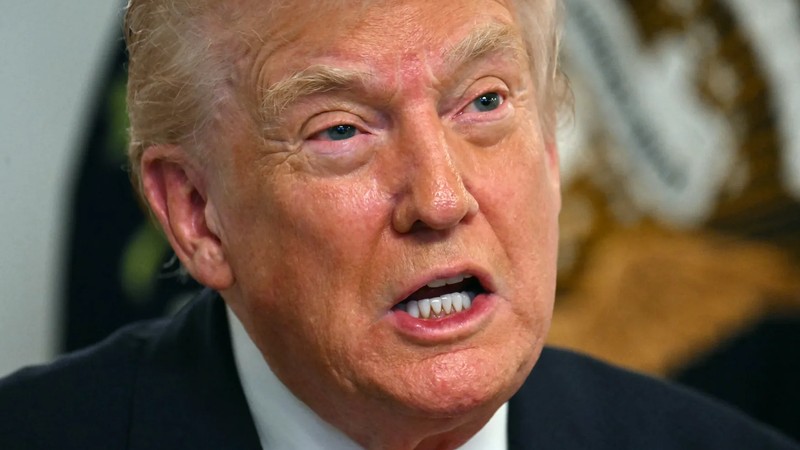

US President Donald Trump is likely to shift the focus of the G20 from development and global equity themes to a US-centric platform centred on trade, energy, security, and strategic competition with China.
These are the views of political analysts after the US assumed its G20 Presidency by cleaning the website of the previous host, South Africa, which he has pointedly excluded from next year’s summit.
The analysts said this would mark a sharp departure from the priorities set in Johannesburg.
The US will host the G20 Summit in Miami, Florida, next year.
In the statement issued on Monday, the US said under Trump’s leadership, the country will return the G20 to focusing on its core mission of driving economic growth and prosperity to produce results.
“As we usher in these much-needed reforms, we will prioritise three core themes: unleashing economic prosperity by limiting regulatory burdens, unlocking affordable and secure energy supply chains, and pioneering new technologies and innovations,” read the statement.
Political analyst Professor Theo Neethling said former president Thabo Mbeki is correct in his assessment that a renewed Trump presidency would prioritise interests as defined within the White House, rather than by the recent outcomes of the Johannesburg G20 Summit.
During his closing remarks at the 2025 Cape Town Conversations, Mbeki indicated that Trump and the US made it clear they were not interested in the outcomes of the G20 Summit hosted by South Africa.
Mbeki noted that the US, under Trump, seeks to advance its own national interests, regardless of existing international agreements or the consensus reached by other G20 members.
Trump ordered the US to boycott the G20 Summit in South Africa over his widely discredited claims that the South African government is persecuting its white Afrikaner minority, specifically white farmers, which has been widely discredited by both the South African government and independent sources as false.
His administration also opposed South Africa’s G20 agenda, which focused heavily on issues of climate change and global wealth inequality, topics the administration derided as being about “DEI” (diversity, equity, and inclusion) and not a good use of US taxpayer money.
Neethling said Trump is not known for being constrained by prior commitments, and he is unlikely to treat the summit’s Africa-focused agenda as a starting point.
Instead, he will set new parameters for the G20, effectively discarding discussions and statements formulated in Johannesburg.
“The strong emphasis the summit placed on the Global South will almost certainly recede as Trump reorients the forum toward issues that align with his own worldview and the priorities he considers central to US strategic interests.
“In addition to the above and among others, I believe under Donald Trump, the G20 Presidency is highly likely to structure its agenda around several core issues: a reduced emphasis on climate agreements, a harder line on China, and a focus on migration, borders, and security,” said Neethling, adding that in short, Trump is likely to reorient the G20 away from development and global equity themes and toward a more US-centric platform centred on trade, energy, security, and strategic competition with China.”
Another political analyst, Zakhele Ndlovu, said the announcement is clearly a swipe at South Africa, suggesting that the G20 lost focus during South Africa’s presidency.
manyane.manyane@inl.co.za